✨ Résumer un article avec l'IA

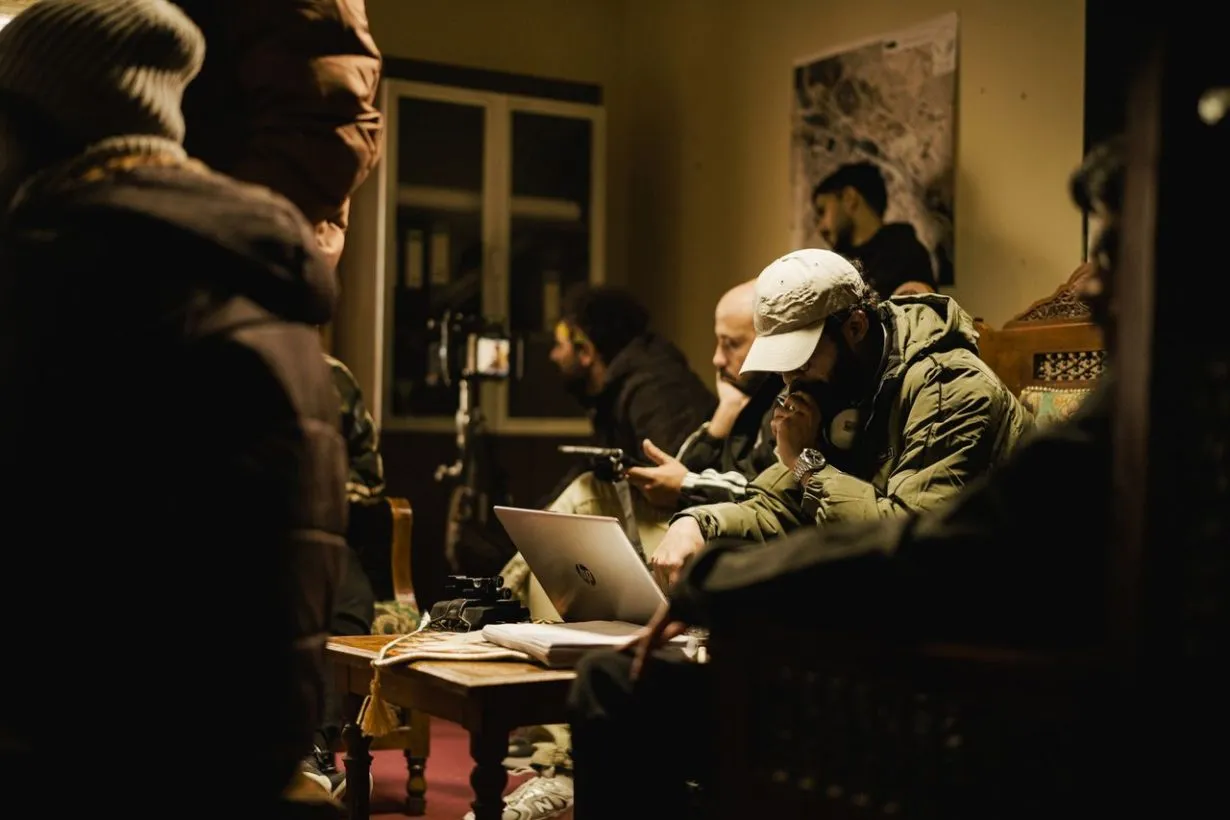
Le format documentaire a considérablement évolué, dépassant largement la simple narration monocorde et les images d'archives poussiéreuses. Aujourd'hui, les créateurs mêlent journalisme d'investigation, récits personnels poignants et images d'avant-garde pour construire des documentaires qui rivalisent avec les superproductions cinématographiques. Mais aussi captivant que soit le sujet ou aussi soignés que soient les interviews, un documentaire sans structure narrative claire – et sans bande-son appropriée – n'est qu'une suite de faits.
La musique est un personnage invisible dans tout film documentaire. Elle influence la perception des preuves présentées par le spectateur, crée une tension palpable juste avant une révélation cruciale et offre un répit émotionnel bienvenu après des dialogues denses. Cependant, pour composer une musique de film efficace pour un documentaire, il est essentiel de bien comprendre le type de documentaire que l'on réalise.
Dans ce guide, nous décortiquons les six modes classiques du film documentaire – le cadre de référence établi par le théoricien du cinéma Bill Nichols. Que vous réalisiez un documentaire d'observation immersif, un court métrage poétique très stylisé ou un film participatif introspectif, nous explorerons les mécanismes fondamentaux de chaque genre et vous montrerons comment les associer aux morceaux parfaits de la bibliothèque musicale de Foximusic. catalogue libre de droits.

Un documentaire peut être visuellement magnifique et pourtant paraître fade si la musique ne correspond pas au récit. Une bande-son appropriée ne se contente pas de combler les silences ; elle module la tension, les émotions et le rythme de manière à être immédiatement ressentie par le spectateur.
La plupart des créateurs choisissent leur musique trop tard et de façon trop générique. Ce guide vous présente les six modes documentaires principaux ainsi que les listes de lecture et les pages du catalogue Foximusic correspondantes, pour composer la musique de votre film avec plus de soin et sans vous soucier des droits d'auteur.
La bande son d'un documentaire n'est pas un simple ornement. Elle accompagne le spectateur à travers les faits, les émotions, les réflexions et le rythme du récit, sans pour autant éclipser l'histoire.
C’est pourquoi l’adaptation du style musical au genre documentaire est essentielle. Un documentaire historique, un film animalier et un essai personnel sont certes tous des documentaires, mais ils requièrent un traitement musical très différent.
| Mode documentaire | Caractéristique déterminante | Ambiance idéale pour une bande-son | Foximusic match |
|---|---|---|---|
| Expositoire | Narration de la voix de Dieu, factuelle, historique, explicative. | Orchestral, tendu, cinématographique et empreint de gravité. | Épique / Dramatique et Cinématique / Orchestral |
| observationnelle | Cinéma vérité, sans filtre, brut et discret. | Acoustique minimaliste, textures ambiantes subtiles. | playlist documentaire et Listes de lecture |
| Poétique | L'ambiance, le ton et le rythme visuel priment sur l'explication linéaire. | Musique électronique cinématographique, piano solo, paysages sonores à l'évolution lente. | playlist documentaire et Listes de lecture |
| Participatif | Le cinéaste est actif devant la caméra et façonne directement le récit. | Enjoué, narratif, parfois ironique ou entraînant. | Musique libre de droits |
| Réfléchi | Le film se concentre sur l'acte de réaliser un film en lui-même, brisant souvent le quatrième mur. | Rythmes électroniques originaux, innovants et légèrement expérimentaux. | Technologie / Innovation |
| Performatif | Des récits profondément personnels et subjectifs, liés à des thèmes plus vastes. | Émotionnel, intime, porteur d'espoir, ancré dans la réalité. | L'expérience humaine et des indices cinématographiques similaires |
Les documentaires explicatifs s'appuient sur la narration, la structure et l'autorité. Ils traitent souvent d'histoire, d'enquêtes ou de sujets complexes nécessitant un cadre émotionnel clair.
Exemple de documentaire explicatif :
L'HISTOIRE DE TOUT | Bande-annonce officielle (Film de 2024)
Une énergie puissante, structurée et explicative, avec un arc narratif clair.
Le meilleur choix musical est généralement orchestral, intense ou cinématographique, avec une certaine gravité. Pour ce style, commencez par Foximusic. Épique / Dramatique catégorie ou la Cinématique / Orchestral catalogue.
Un ajustement parfait Bande-annonce épique et puissante lorsque la scène a besoin d'une plus grande ampleur ou d'un sentiment d'urgence.
Les films d'observation sont conçus pour paraître naturels et discrets. La caméra observe, le son reste subtil, et le spectateur a l'impression d'être plongé au cœur de l'instant présent.
Exemple de documentaire d'observation :
Train – Documentaire sur le Myanmar
Directement étiquetée comme observationnelle et construite autour de l'observation humaine silencieuse.
Ici, la musique doit rester légère, minimaliste et humaine. Foximusic playlist documentaire et plus large Listes de lecture Les pages constituent d'excellents points de départ pour les indices acoustiques ou ambiants.
Les documentaires poétiques privilégient l'atmosphère, le rythme et le langage visuel à l'explication stricte. Ils utilisent souvent le montage, l'abstraction ou l'imagerie émotionnelle pour créer du sens.
Exemple de documentaire poétique :
Viens me voir sous mon meilleur jour – Bande-annonce officielle
À la fois lyrique et visuellement saisissant, ce qui convient parfaitement au langage poétique du documentaire.
La bande-son doit être expressive mais maîtrisée, avec du piano, de l'électro cinématographique ou des textures qui se développent lentement. Parcourez le playlist documentaire et le plus large Listes de lecture Un outil pour trouver des morceaux qui privilégient l'ambiance plutôt que la narration.
Les documentaires participatifs placent le réalisateur au cœur du récit. Le créateur peut apparaître à l'écran, poser des questions ou influencer directement le déroulement des événements, ce qui confère au film un ton plus personnel et conversationnel.
Exemple de documentaire participatif :
Comment faire avec John WilsonBande-annonce officielle | HBO
La voix et la présence du cinéaste façonnent l'expérience, ce qui correspond à un style participatif.
Pour ce mode, les rythmes entraînants, le funk léger et les thèmes narratifs fonctionnent bien. Foximusic Musique libre de droits Le catalogue est un bon endroit pour trouver des morceaux dynamiques et originaux.
Les documentaires réflexifs mettent en lumière le processus de création cinématographique lui-même. Ils peuvent être autoréflexifs, expérimentaux ou ludiques, et la musique devrait refléter ce sentiment de transgression des conventions.
Exemple de documentaire réflexif :
Changer le récit Série documentaire – Bande-annonce officielle
Le titre et la mise en scène de la bande-annonce, empreints de conscience de soi, en font une source d'inspiration utile pour un documentaire réflexif.
Foximusic est un bon choix. Technologie / Innovation une catégorie qui se prête bien aux textures électroniques originales et aux accents de production modernes.
Les documentaires performatifs sont profondément personnels et subjectifs. Ils relient souvent l'expérience vécue d'une personne à une idée sociale ou politique plus large.
Exemple de documentaire performatif :
Il existe une autre voie | Bande-annonce officielle (2025)
La conviction personnelle et le cadre émotionnel en font un exemple de performance convaincant.
Ces films bénéficient généralement d'une musique émouvante, porteuse d'espoir et ancrée dans la réalité. Des morceaux comme L'expérience humaine et des références cinématographiques similaires présentes dans le catalogue de Foximusic peuvent soutenir cette ambiance sans tomber dans le sentimentalisme excessif.
L'une des grandes tendances de 2026 est le retour à une instrumentation organique et plus humaine. Les créateurs privilégient des morceaux qui semblent imparfaits, tactiles et authentiques, surtout lorsque les visuels sont intimistes ou journalistiques.
Une autre tendance est l'utilisation de musiques de film empreintes de nostalgie. Des sonorités vintage chaleureuses, des couleurs jazz subtiles et une ambiance douce inspirée des années 90 contribuent à rendre le contenu documentaire émotionnellement familier et mémorable.
Une troisième tendance consiste à utiliser une mise en scène plus cinématographique, même pour les formats courts ou les micro-documentaires. De nombreux créateurs ont désormais recours à des montées en puissance orchestrales plus importantes pour maintenir l'attention lors des scènes plus lentes et donner plus d'impact aux histoires plus modestes.
Commencez par un visionnage silencieux. Regardez la séquence sans musique et repérez les moments où l'émotion change, où la scène prend son temps et où une révélation s'impose naturellement.
Ensuite, déterminez le rôle de la musique. Certaines scènes nécessitent de la tension, d'autres de l'empathie, et d'autres encore une transition ; la piste doit donc résoudre un problème principal plutôt que d'essayer de tout faire en même temps.
Enfin, modelez la transition à l'aide de la forme d'onde. Utilisez des coupes en J pour que l'audio introduise le moment suivant et des coupes en L pour prolonger un repère après le changement visuel, ce qui contribue à un montage fluide et intentionnel.
Foximusic est conçu pour les créateurs qui ont besoin de musique utilisable à grande échelle. Le catalogue appartient à Foximusic et sa licence est un achat unique et illimité pour une utilisation en ligne et commerciale.
C'est important pour les créateurs de documentaires qui travaillent sur YouTube, des films pour des clients, des publicités, des formations et du contenu pour les réseaux sociaux, car cela réduit les risques liés au droit d'auteur et supprime les frais d'abonnement récurrents. Foximusic précise également que ses morceaux sont libres de droits pour la monétisation et peuvent être utilisés sur de nombreuses plateformes.
Explorez playlist documentaire, le Listes de lecture page, la Épique / Dramatique catégorie, et la Technologie / Innovation Consultez notre catalogue pour trouver le matériel idéal pour votre prochain film.
La meilleure musique pour un documentaire dépend du genre du film. Les films explicatifs ont souvent besoin d'une tension orchestrale, les films d'observation d'un minimalisme subtil, et les films performatifs d'indices émotionnels et ancrés dans la réalité.
Oui. Foximusic affirme que sa musique est libre de droits pour la monétisation et peut être utilisée sur les principales plateformes, avec une licence à vie et sans frais récurrents.
Commencez par le playlist documentaire. Si votre film est plus dramatique ou d'investigation, passez à Épique / Dramatique; si c'est plus expérimental, essayez Technologie / Innovation.
Générez instantanément des prompts texte-vidéo prêts pour la production et obtenez des résultats professionnels grâce à notre outil gratuit de génération de prompts vidéo.








 English English
  Spanish
 French
 Italian
 German
 Portuguese
 Chinese
 Japanese
 Hebrew