✨ סיכום מאמר בעזרת בינה מלאכותית

לכל שיר מוקלט יש שתי זכויות יוצרים (הלחנה והקלטה), והשימוש באחת מהן ב-Reel דורש רישוי מתאים לשתיהן. ספריית המוזיקה המובנית של אינסטגרם מכסה שימוש אישי ולא מסחרי, אך חשבונות עסקיים מוגבלים לאוסף Meta Sound הקטן יותר. אין "כלל 10 שניות" או "כלל 30 שניות" שהופך מוזיקה ללא רישיון לבטוחה. אם אתם רוצים לפרסם Reels מבלי לדאוג לאודיו מושתק או שביתות חשבון, השתמשו במוזיקה ללא תמלוגים שאושרה מראש או באודיו מקורי.
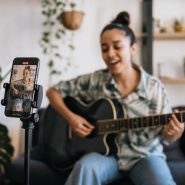
בחרת שיר טרנדי מסטיקר המוזיקה של אינסטגרם, פרסמת את הריל שלך, ובתוך דקות האודיו נעלם. הודעת זכויות יוצרים החליפה את הרצועה שבחרת בקפידה בדממה. אתה לא לבד, ואתה לא משוגע שאתה מבולבל.
מתרגלים באתר r/videography של Reddit הביעו את התסכול הזה בדיוק, כאשר משתמש אחד כתב שהוא לא מבין כיצד אינסטגרם יכולה לספק מוזיקה לשימוש ב-Reels אבל מיד להסיר או להשתיק את הסרטון עקב "הפרת זכויות יוצרים". המינוח סביב זכויות היוצרים של מוזיקה ב-Instagram Reels לא עוזר. רישיונות סנכרון, זכויות שימוש ראשיות, Content ID, Rights Manager, ללא תמלוגים לעומת ללא זכויות יוצרים: הכל מטשטש יחד.
מילון מונחים זה מפרט כל מונח זכויות יוצרים שחשוב ליוצרי Reels, בשפה פשוטה, עם המשמעות האמיתית של כל אחד מהם עבור התוכן שלכם.
אם אתם מחפשים מוזיקה ברישיון לאינסטגרם, עמוד זה מכסה את הצד המעשי של הרישוי. עמוד זה מכסה את הצד של הידע, כך שתוכלו להבין מַדוּעַ דברים עובדים כפי שהם עובדים.
לכל יצירה מוזיקלית מוקלטת יש שתי זכויות יוצרים נפרדות. הראשונה שייכת לכותב השירים או למו"ל (היצירה). השנייה שייכת לאמן או לחברת התקליטים (הקלטת הסאונד, המכונה לעתים קרובות "המאסטר"). כדי לשלב באופן חוקי כל שיר עם תוכן וידאו, נדרשת אישור משני בעלי זכויות היוצרים. בתעשיית המוזיקה, פירוש הדבר הוא קבלת רישיון סנכרון ליצירה ורישיון שימוש ראשי להקלטה.
אינסטגרם ניהלה משא ומתן על הסכמים גורף עם חברות לייבלים ומוציאים לאור גדולים, כך שחשבונות אישיים וחשבונות יוצרים יוכלו להשתמש בשירים פופולריים ב-Reels למטרות לא מסחריות. חשבונות עסקיים, לעומת זאת, מוגבלים לספרייה קטנה יותר של כ-14,000 רצועות (אוסף Meta Sound) שאושרו במפורש לשימוש מסחרי. הבחנה זו היא שורש הבלבול בנוגע לזכויות יוצרים של מוזיקה ב-Instagram Reels, והיא תופסת אפילו מותגים גדולים לא מוכנים.
זכויות יוצרים מוזיקליות הן הבעלות החוקית על יצירה מוזיקלית. הן מעניקות ליוצר (או למי שהוא העביר לו את הזכויות) שליטה בלעדית על אופן ההעתקה, ההפצה, הביצוע והסנכרון של היצירה עם מדיה אחרת. באינסטגרם, משמעות הדבר היא שאינך יכול להשתמש בשיר של מישהו אחר ב-Reel שלך ללא אישור, בין אם אישור זה מגיע דרך רישיונות הפלטפורמה של אינסטגרם, רישיון ישיר שרכשת, או חריג משפטי כמו שימוש הוגן.
לכל רצועה ב-Reels שלך יש שתי שכבות של הגנה על זכויות יוצרים. התעלמות מכל אחת מהן עלולה לגרום להשתקה או הסרה של התוכן שלך. למבט מעמיק יותר על יסודות רישוי מוזיקה, המדריך הזה מכסה את התמונה המלאה.
הפרת זכויות יוצרים מתרחשת כאשר מישהו משתמש ביצירה המוגנת בזכויות יוצרים ללא אישור מבעל הזכויות. באינסטגרם, משמעות הדבר היא בדרך כלל פרסום ריל עם שיר שאין לך את הזכויות להשתמש בו. המערכות האוטומטיות של הפלטפורמה סורקות כל העלאה מול מסד נתונים של מיליוני רצועות המוגנות בזכויות יוצרים, והן יסמנו התאמות ללא קשר לכוונותיך.
הפרה אינה דורשת כוונה. אפשר להפר זכויות יוצרים של מישהו בטעות, וההשלכות זהות.
קניין רוחני הוא קטגוריה משפטית רחבה המכסה יצירות של המוח: המצאות, עיצובים, שמות מותג ויצירות יצירתיות כמו מוזיקה. זכויות יוצרים הן סוג אחד של הגנה על קניין רוחני. כאשר בעל זכויות מגיש תביעה נגד הסליל שלך, הוא אוכף את זכויות הקניין הרוחני שלו.
יצירה נכנסת לנחלת הכלל כאשר זכויות היוצרים שלה פוקעות (בדרך כלל 70 שנה לאחר מות היוצר בארה"ב) או כאשר היוצר מוותר במפורש על כל הזכויות. מוזיקה הנמצאת ברשות הציבור היא באמת חופשית לשימוש על ידי כל אחד, לכל מטרה. אבל מוזיקה אמיתית הנמצאת ברשות הציבור היא נדירה בהקשר של שירי פופ מודרניים. יצירה קלאסית של בטהובן היא נחלת הכלל, אבל הקלטה מודרנית של אותה יצירה אינה כזו, מכיוון שההקלטה עצמה מחזיקה בזכויות יוצרים משלה.
רישיון סנכרון מעניק הרשאה לזווג יצירה מוזיקלית עם תוכן חזותי. המילה "סנכרון" מתייחסת לסנכרון מוזיקה עם תמונות נעות. יש צורך ברישיון כזה כאשר מתקיימים שלושה תנאים: המוזיקה מוגנת בזכויות יוצרים, היא משויכת לתוכן חזותי, והמוצר הסופי ישותף באופן פומבי.
עבור מדיה חברתית, צץ מושג חדש יותר בשם "מיקרו-סינכרון". תמלוגים על מיקרו-סינכרון מכסים את הרישוי של קטעי מוזיקה קצרים בתוכן שנוצר על ידי משתמשים, פוסטים במדיה חברתית וסרטונים קצרים. שוק ההכנסות העולמי מסינכרון צמח ביותר מ-131 מיליוני דולרים בשנת 2024 על פי דיווחי IFPI, בין היתר מונע על ידי הפיצוץ של וידאו קצר. הבנת כיצד עבודות רישוי סנכרון חיוני לכל מי שמשתמש במוזיקה ב-Reels באופן מסחרי.
רישיון שימוש ראשי מעניק הרשאה להשתמש בהקלטת קול ספציפית. בעוד שרישיון הסנכרון מכסה את היצירה (התווים והמילים), רישיון השימוש הראשי מכסה את הגרסה המוקלטת בפועל של השיר. שני רישיונות אלה מגיעים מבעלי זכויות שונים: סינכרון מהמוציא לאור, מאסטר מהחברה או מהאמן.
זו הסיבה שרישיון לשיר פופולרי לשימוש מסחרי הוא יקר ומסובך. אתם מנהלים משא ומתן עם שני צדדים נפרדים. למידע נוסף על סוגי רישיונות מוזיקה ומתי כל אחד מהם חל.
“""ללא תמלוגים"" לא אומר ללא עלות או זכויות יוצרים. הרצועה עדיין בבעלות מישהו. המשמעות היא שלאחר תשלום דמי רישוי חד פעמיים, אינך חייב תמלוגים מתמשכים בכל פעם שהתוכן שלך מושמע. אתה משלם פעם אחת ומשתמש ברצועה בהתאם לתנאי הרישיון, בדרך כלל עבור היקף ספציפי של פרויקטים ופלטפורמות.
זהו מודל הרישוי שרוב יוצרי אינסטגרם רילס צריכים להתעניין בו, משום שהוא מבטל את העלויות החוזרות ונשנות ואת המורכבות המשפטית של רישוי מסורתי.
הקטלוג של Foximusic עובד בדיוק כך: רכישה חד פעמית, רישיון לכל החיים, ללא חידושים, ללא עמלות לכל משחק.
למוזיקה נטולת זכויות יוצרים אין כלל הגנה על זכויות יוצרים. זה קורה כאשר זכויות היוצרים פגות או שהיוצר מקדיש את היצירה רשמית לנחלת הכלל. מוזיקה מקורית נטולת זכויות יוצרים היא נדירה ביותר. כשאתם רואים מוזיקה "נטולת זכויות יוצרים" שמפורסמת באינטרנט, כמעט תמיד מדובר במוזיקה שסומנה באופן שגוי כ"נטולת תמלוגים" שעדיין יש לה בעלים ומגבלות. אל תבלבלו בין השניים, כי שימוש במוזיקה "נטולת זכויות יוצרים" שבפועל מוגנת בזכויות יוצרים עדיין יגרום להשתקת הווידאו שלכם.
רישיונות Creative Commons (CC) מאפשרים ליוצרים לשתף את עבודתם עם הרשאות והגבלות ספציפיות. ישנם מספר סוגים, החל מ-CC0 (ללא הגבלות) ועד CC BY-NC-ND (נדרש ייחוס, ללא שימוש מסחרי, ללא שינויים). אם אתם משתמשים במוזיקה ברישיון CC ב-Reel, עליכם לפעול לפי התנאים המדויקים של רישיון ספציפי זה. שימוש ב-CC BY-NC Track ב-Reel חשבון עסקי המקדם מוצר יפר את ההגבלה "לא מסחרית".
מונח חדש יחסית בתעשייה. מיקרו-סינכרון מתייחס לרישוי קליפים קצרים מאוד לשימושים דיגיטליים בתקציב נמוך ובנפח גבוה, כמו פוסטים במדיה חברתית וסרטונים קצרים. זהו מודל הרישוי שעליו אינסטגרם עצמה מסתמכת כשהיא מנהלת משא ומתן עם חברות תקליטים כדי למלא את ספריית המוזיקה שלה. יוצרים בודדים כמעט ולא מנהלים משא ומתן ישירות על עסקאות מיקרו-סינכרון, אך הבנת המושג עוזרת להסביר מדוע לגישה לספרייה של אינסטגרם יש מגבלות ותנאים.
זהו הקטלוג הגדול של שירים פופולריים הזמין דרך מדבקות המוזיקה ודפדפן האודיו של אינסטגרם. חשבונות אישיים וחשבונות של יוצרים יכולים לגשת למיליוני רצועות לשימוש ברילים, סטוריז ופורמטים אחרים. הבעיה: גישה זו מורשית לשימוש אישי ולא מסחרי בלבד. ברגע שהריל שלכם הופך לקידום מכירות בתשלום או מתפרסם מחשבון עסקי, חלים כללים שונים.
אנקדוטה מספרת מניתוח משפטי של SripLaw: מועדון כדורגל אירופאי גדול פרסם תוכן חגיגי באינסטגרם ובו שיר מספריית אינסטגרם עצמה. חשבון העסק שלהם יכל לגשת לשיר, ולכן הם הניחו שהוא מורשה כראוי. הפוסט יצר שבעה מיליון צפיות. מאוחר יותר טענו הוצאות לאור של מוזיקה שהמועדון זקוק לזכויות סנכרון מפורשות לשימוש מסחרי. זמינות הפלטפורמה אינה שווה ערך לאישור רישוי.
כשאתם עוברים לחשבון עסקי ומבחינים שאפשרויות המוזיקה שלכם מצטמצמות באופן דרמטי, אתם רואים את אוסף הצלילים של מטא. ספרייה זו מכילה כ-14,000 רצועות שאושרו לשימוש מסחרי בפייסבוק ובאינסטגרם. זה נשמע הרבה עד שמשווים את זה למיליוני הרצועות הזמינים לחשבונות אישיים.
מגבלה חשובה: רצועות מאוסף הסאונדים של מטא מאושרות לשימוש רק בפייסבוק ובאינסטגרם. אם תעשו שימוש חוזר ב-Reil עבור טיקטוק, יוטיוב או לינקדאין, הרישיון לא יעבור איתו. להסבר מפורט כיצד... מנהל זכויות פייסבוק מתחבר לכל זה, המדריך הזה מכסה את צד הגילוי.
חשבונות עסקיים קיימים למכירת מוצרים ושירותים. אינסטגרם מתייחסת לכל פוסט מחשבון עסקי כתוכן מסחרי. משמעות הדבר היא שחשבונות עסקיים אינם יכולים להשתמש בספריית המוזיקה המלאה של אינסטגרם, אפילו עבור פוסטים אורגניים (לא בתשלום). הם מוגבלים לאוסף הצלילים של מטא או למוזיקה שהם העניקו לה רישיון עצמאי לשימוש מסחרי.
זהו מקור התסכול הגדול ביותר של בעלי עסקים קטנים בנוגע לזכויות יוצרים על מוזיקה ב-Instagram Reels. הם רואים מתחרים (לעתים קרובות בחשבונות אישיים או בחשבונות יוצרים) משתמשים בשירים פופולריים ותוהים מדוע הם לא יכולים לעשות את אותו הדבר. התשובה היא סיווג חשבון, לא באג.
אם אתם מנהלים חשבון עסקי וזקוקים למוזיקה מסחרית עבור סלילים ופרסומות, מוזיקה ללא תמלוגים לפרסומות באינסטגרם מכסה את מקרה השימוש הספציפי הזה.
תכונה | חשבון אישי | חשבון יוצר | חשבון עסקי |
|---|---|---|---|
גישה לספריית המוזיקה | מָלֵא | רחב (כמעט מלא) | מוגבל (אוסף מטא סאונד) |
אינסטגרם מתייחסת לפוסטים כאל | ביטוי אישי | יצירת תוכן | פעילות מסחרית |
ניתן להשתמש בשירים פופולריים ב-Reels | כן | כן (לא מסחרי) | לֹא |
נדרש רישיון נפרד עבור מבצעים | כן | כן | כן |
גישה לקניות באינסטגרם | לֹא | מוּגבָּל | מָלֵא |
חשבונות יוצרים תופסים נקודת ביניים. הם מקבלים גישה רחבה משמעותית למוזיקה בהשוואה לחשבונות עסקיים, משום שהתוכן שלהם נחשב קרוב יותר לביטוי אישי מאשר לקידום מסחרי. בעלי עסקים קטנים רבים עברו מחשבונות עסקיים לחשבונות יוצרים במיוחד כדי להחזיר לעצמם את הגישה למוזיקה, אם כי משמעות הדבר היא אובדן של תכונות ספציפיות לעסק כמו ניתוח מפורט של פרסומות.
Meta Rights Manager היא מערכת אכיפת זכויות היוצרים של אינסטגרם ופייסבוק. בעלי זכויות מעלים קבצי ייחוס של המוזיקה שלהם, והמערכת סורקת כל פריט תוכן שהועלה בשתי הפלטפורמות כדי לאתר התאמות. כאשר נמצאת התאמה, בעל הזכויות בוחר את התגובה: מעקב אחר נתוני שימוש, מונטיזציה של התוכן או חסימה מוחלטת שלו.
זו הסיבה שהסרטון שלך יכול להיות מושתק שניות לאחר הפרסום. הסריקה מתרחשת אוטומטית במהלך ההעלאה.
טביעת אצבע של אודיו היא הטכנולוגיה העומדת מאחורי הזיהוי של Meta Rights Manager. כל סרטון שמועלה מנותח, והאודיו שלו מומר ל"טביעת אצבע" דיגיטלית המושווה למסד נתונים של מיליוני הקלטות המוגנות בזכויות יוצרים. המערכת של אינסטגרם יכולה לזהות קטעים קצרים של מוזיקה מוגנת גם אם יוצרים משנים את גובה הצליל, המהירות או הקצב. נכון לשנת 2026, אינסטגרם שדרגה את טביעת האצבע של האודיו שלה עם זיהוי AI שסורק אפילו צלילי רקע קצרים ואודיו שנוצר על ידי AI.
Content ID הוא הגרסה של יוטיוב לטביעת אצבעות שמע. Rights Manager הוא של מטא. שניהם סורקים תוכן שהועלה, משווים אותו למאגרי מידע ומאפשרים לבעלי הזכויות לבחור כיצד להגיב. ההבדל העיקרי עבור יוצרים: רצועה שאושרה ביוטיוב עשויה לא להיות מאושרת באינסטגרם, ולהיפך. הרישוי ספציפי לפלטפורמה אלא אם כן הרישיון שלך מכסה במפורש מספר פלטפורמות. לקבלת הקשר מעמיק יותר על האופן שבו... מזהה תוכן עובד גם עבור מוזיקה, המדריך הזה מכסה את הצד של יוטיוב.
תביעת זכויות יוצרים היא הודעה על כך שזוהה חומר המוגן בזכויות יוצרים בתוכן שלך. הדבר עלול לגרום להשתקת האודיו שלך או שבעל הזכויות יבחר לעקוב אחר הפוסט שלך או להפיק ממנו רווחים. פסילת זכויות יוצרים היא חמורה יותר: זוהי טענה רשמית שהפרת את זכויותיו של מישהו. פסילות מצטברות ויכולות להוביל להגבלות חשבון או להשעיה.
התוצאה הנפוצה ביותר של הפרות זכויות יוצרים ב-Instagram Reels היא אינסטגרם מסירה את האודיו (או את החלק המפר של האודיו) מה-Riel שלכם. הסרטון שלכם נשאר גלוי אך מתנגן בשקט. זה יכול להיות גם רטרואקטיבי. משתמשים ב-Team Blind וב-Reddit מדווחים שאם האודיו של מעלה הסרטון המקורי מוסר, Reels המשתמשים באודיו הזה יכולים להיות מושתקים שבועות או חודשים לאחר הפרסום. Reel שהצליח במשך חודשים יכול לפתע לאבד את האודיו שלו, ועמו, את רוב המעורבות שלו.
אם ההפרה היא מהותית, אינסטגרם יכולה להסיר את כל הפוסט שלך, לא רק את האודיו. התוכן נעלם מהפרופיל שלך ומכל מי ששמר או שיתף אותו. הסרות חוזרות ונשנות מאיצות את הסלמת העונש.
חוק זכויות היוצרים הדיגיטליות של המילניום (DMCA) מספק הליך משפטי רשמי לבעלי זכויות יוצרים לדרוש הסרה של תוכן המפר זכויות. כאשר בעל זכויות מגיש בקשה להסרת תוכן במסגרת DMCA לאינסטגרם, הפלטפורמה מחויבת מבחינה חוקית להסיר את התוכן. ניתן להגיש הודעה נגדית אם אתם סבורים שהתביעה שגויה, אך נטל ההוכחה עובר אליכם, והתהליך איטי.
הסלמת העונשים של אינסטגרם עובדת בערך כך:
האודיו מושתק על הגלגל הספציפי
תוכן חסום או הוסר לַחֲלוּטִין
הגבלות חשבון הגבלת היכולת שלך לפרסם או להשתמש בתכונות מוזיקה
השעיה זמנית (בדרך כלל אחרי שלוש תקיפות)
סגירת חשבון לצמיתות עבור הפרות מתמשכות
השלב האחרון לעיתים רחוקות כרוך בקנס ישיר של אינסטגרם, אך הוא פותח פתח לתביעות משפטיות מצד בעל זכויות היוצרים. על פי חוק זכויות היוצרים בארה"ב, פיצויים סטטוטוריים יכולים להגיע לסכום של $150,000 לכל עבודה בגין הפרה מכוונת. בשנת 2022, וורנר מיוזיק תבעה את המותג Iconic על שימוש במוזיקה ללא רישיון בתוכן האינסטגרם שלה, תזכורת לכך שאכיפה אינה תיאורטית.
“"Shadowban" הוא מונח לא רשמי, שנוצר על ידי הקהילה. הוא מתאר מצב שבו אינסטגרם מפחיתה את הנראות של התוכן שלכם מבלי להודיע לכם. בעוד שאינסטגרם מעולם לא אישרה רשמית את מדיניות ה-shadowbaning, יוצרים רבים מדווחים על ירידות דרמטיות בטווח ההגעה לאחר הפרות זכויות יוצרים. האם מדובר בעונש אלגוריתמי או בצירוף מקרים נתון במחלוקת, אך הדפוס עקבי מספיק כדי שיוצרים מנוסים יתייחסו אליו כאל אמיתי.
ספריות מוזיקה ללא תמלוגים שאושרו מראש הן האפשרות הבטוחה ביותר עבור יוצרים שרוצים מוזיקה פופולרית ללא הסיכון המשפטי. אתם משלמים תשלום חד פעמי, מקבלים רישיון ומשתמשים ברצועה בכל התוכן שלכם. הספריות הטובות ביותר מציעות רצועות שאושרו על ידי Content ID, כלומר המוזיקה לא תפעיל תביעות אוטומטיות באינסטגרם, יוטיוב או פלטפורמות אחרות.
כשאתם מעריכים אפשרויות, יש להשוות רישיונות חד פעמיים לעומת תוכניות מנוי בזהירות. מודלים של מנוי עלולים להשאיר אותך חשוף אם תבטל והתוכן הישן שלך עדיין משתמש ברצועות שלהם.
יצירה או הזמנה של אודיו מקורי היא הגישה הבטוחה ביותר מבחינת זכויות יוצרים. אם אתם כותבים אותו, מבצעים אותו או משלמים למישהו שייצור אותו באופן בלעדי עבורכם (עם הסכמי עבודה תמורת שכירות או הסכמי מטלה מתאימים), הזכויות המלאות נמצאות בבעלותכם. יוצרי Reels מצליחים רבים משתמשים בקריינות מקוריות, אפקטים קוליים או קומפוזיציות בהתאמה אישית בדיוק מסיבה זו.
מוזיקת סטוק היא מוזיקה מופקת מראש, מורשית מראש, הנמכרת דרך ספריות. היא מתפקדת באופן דומה לצילומי סטוק. האיכות משתנה מאוד, החל מלולאות גנריות ועד לקומפוזיציות מקצועיות. מוזיקת סטוק מגיעה בדרך כלל עם תנאי רישיון ספציפיים המכתיבים היכן וכיצד ניתן להשתמש בה.
זהו תחום שמתפתח במהירות בשנת 2026. אינסטגרם החלה לסרוק אודיו שנוצר על ידי בינה מלאכותית עבור התאמות ליצירות קיימות המוגנות בזכויות יוצרים, מכיוון שכלי מוזיקה של בינה מלאכותית שאומנו על קטלוגים המוגנים בזכויות יוצרים יכולים לייצר פלטים הדומים מאוד לשירים מוגנים. אם הרצועה שלכם שנוצרה על ידי בינה מלאכותית נשמעת דומה מדי ליצירה המוגנת בזכויות יוצרים, עדיין ניתן לסמן אותה.
המעמד המשפטי של מוזיקה שנוצרה על ידי בינה מלאכותית נותר לא ברור. משרד זכויות היוצרים האמריקאי קבע כי יצירות שנוצרו כולן על ידי בינה מלאכותית ללא יצירתיות אנושית משמעותית אינן יכולות להיות מוגנות בזכויות יוצרים. זה יוצר פרדוקס: מוזיקה שנוצרה על ידי בינה מלאכותית אולי לא ניתנת להגנה על ידי האדם שיצר אותה, אך היא עדיין עלולה להפר זכויות יוצרים קיימות אם היא מעתיקה אלמנטים מוגנים. משתמשי CapCut רבים שעורכים Reels נתקלים בדיוק בבעיה זו. אם אתם עורכים ב-CapCut, הבנת... רישיונות למוזיקה עבור סרטוני CapCut עוזר להימנע מבעיות עוד לפני שאתה מעלה לאינסטגרם.
אין נמל מבטחים המבוסס על משך זמן בחוק זכויות היוצרים. שימוש ב-5, 10, 15 או 30 שניות של שיר המוגן בזכויות יוצרים ללא אישור עדיין מהווה הפרה. בתי המשפט מעריכים שימוש הוגן על פי ארבעה גורמים, ואורך הקליפ הוא רק אחד מהם. שימוש אפילו בקליפ קצר מאוד יכול להוות הפרה אם הוא לוכד את "לב" המקור, כלומר את המנגינה, הוו או המילים המוכרים ביותר. מערכות הזיהוי של אינסטגרם יכולות לזהות קליפים קצרים של כמה שניות בלבד.
שימוש הוגן הוא הגנה משפטית, לא אישור גורף. הוא נבחן כל מקרה לגופו, תוך התחשבות במטרת השימוש, אופי היצירה המוגנת בזכויות יוצרים, כמות השימוש וההשפעה על השוק של המקור. השמעת שיר המוגן בזכויות יוצרים כמוזיקת רקע ב-Reel כמעט אף פעם לא נחשבת לשימוש הוגן, מכיוון שהוא אינו טרנספורמטיבי, אינו פרשני ואינו פרודי. מרכז העזרה של אינסטגרם מכיר בעמימות וממליץ להתייעץ עם עורך דין אם יש לכם שאלות בנוגע לשימוש הוגן.
זהו המיתוס שמכשיל את רוב היוצרים והעסקים. ספריית המוזיקה של אינסטגרם מורשית לשימוש אישי ולא מסחרי. גישה לשיר דרך הפלטפורמה אינה מקנה לך זכויות רישוי מסחריות. המקרה של מועדון הכדורגל האירופי שהוזכר קודם לכן (שבעה מיליון צפיות, תביעות של מו"לים לזכויות סנכרון) מדגים זאת בצורה מושלמת. גישה אינה רישיון.
טכנולוגיית טביעות האצבע של אינסטגרם בשנת 2026 יכולה לזהות מוזיקה המוגנת בזכויות יוצרים גם כאשר גובה הצליל, הקצב או המהירות שונו. האטת שיר, האצתו או הזזתו לסולם אחר אינם מונעים את הזיהוי. מערכת טביעות האצבע מנתחת את דפוסי השמע הבסיסיים, לא רק את מאפייני השטח.
המצב שלך | מה ניתן להשתמש בו | מה שלא ניתן להשתמש בו |
|---|---|---|
חשבון אישי, סליל אורגני | ספריית המוזיקה המלאה של אינסטגרם (לשימוש לא מסחרי) | כל שיר לקידום מכירות בתשלום |
חשבון יוצר, סרטון אורגני | ספריית המוזיקה הרחבה של אינסטגרם (לשימוש לא מסחרי) | שירים בתוכן ממומן/מותג ללא רישיון נפרד |
חשבון עסקי, סליל אורגני | אוסף מטא סאונד (כ-14,000 רצועות) או מוזיקה ברישיון עצמאי | ספריית המוזיקה המלאה של אינסטגרם |
כל חשבון, תוכן משופר/בתשלום | רק מוזיקה שניתנה לך רישיון עצמאי לשימוש מסחרי | רצועות מספריית אינסטגרם, אוסף מטא סאונד (לפרסומות) |
כל חשבון, שיועבר לפלטפורמות אחרות | רק מוזיקה מורשית עבור פלטפורמות ספציפיות אלה | אוסף מטא סאונד (אינסטגרם/פייסבוק בלבד) |
הדרך הבטוחה ביותר עבור כל סוג חשבון לפרסום תוכן מסחרי: השתמשו במוזיקה ללא תמלוגים מספרייה המספקת זכויות מסחריות מפורשות ואישור Content ID.
ל שיטות עבודה מומלצות עם מוזיקה מורשית בכל הפלטפורמות החברתיות, מדריך זה מכסה את תהליך העבודה בפירוט.
אכיפת זכויות היוצרים של אינסטגרם החמירה באופן ניכר בשנת 2026. טביעת האצבע המשודרגת של הפלטפורמה סורקת כעת אודיו שנוצר על ידי בינה מלאכותית, צלילי רקע וסרטוני וידאו שנעשה בהם שימוש חוזר מ-TikTok (כולל אודיו עם סימן מים). יוצרים מדווחים שתוכן שהיה חומק דרך הזיהוי בשנת 2024 מסומן כעת תוך שניות מרגע הפרסום.
גורמים ספציפיים בשנת 2026 כוללים:
שימוש בשירים המוגנים בזכויות יוצרים בחשבונות עסקיים
מוזיקה שנוצרה על ידי בינה מלאכותית התואמת דפוסים של יצירות קיימות המוגנות בזכויות יוצרים
סרטונים שפורסמו יחד מ-TikTok עם אודיו המוגן בזכויות יוצרים תקין
מוזיקת רקע זוהתה במה שנראה כ"ראש מדבר" או תוכן קרייני
המגמה ברורה: אכיפת זכויות היוצרים של Instagram Reels רק תהפוך לאגרסיבית יותר ככל שטכנולוגיית הזיהוי תשתפר.
לא. מתן קרדיט או תיוג לאמן אינם תחליף לרישיון. חוק זכויות יוצרים דורש אישור מבעל הזכויות, לא ייחוס. בעוד שמתן קרדיט לאמן הוא מנומס, אין לו שום השפעה משפטית על השאלה האם השימוש שלך מהווה הפרה.
ישנן מספר סיבות אפשריות. ייתכן שסוג החשבון שלך אינו מורשה לאופן שבו השתמשת ברצועה (חשבון עסקי המשתמש בו באופן מסחרי). ייתכן שהסכם הרישוי של השיר עם אינסטגרם פג תוקף או השתנה לאחר שפרסמת, מה שגרם להשתקה רטרואקטיבית. או שהאודיו שבו השתמשת היה גרסה שהועלתה על ידי משתמש שתאמה לרצועה המוגנת בזכויות יוצרים במסד הנתונים של Meta Rights Manager.
תביעת זכויות יוצרים היא הצעד הראשון בסולם האכיפה. בדרך כלל פירוש הדבר שהשמע שלך מושתק או שהתוכן שלך עוקב. חסימות חשבון מתרחשות רק לאחר הפרות חוזרות ונשנות, בדרך כלל שלוש התראות או יותר. אבל ההסלמה מתביעה לחסימה יכולה להתרחש במהירות אם תמשיכו לפרסם תוכן מפר.
עבור רילים אורגניים ולא מסחריים, כן. לחשבונות יוצרים יש גישה רחבה לספריית המוזיקה המורשית של אינסטגרם לביטוי אישי ויצירת תוכן. ברגע שהרילים שלכם הופכים לתוכן ממומן, לקידום בתשלום או למכירת מוצר ישירות, אתם זקוקים למוזיקה ברישיון עצמאי ללא קשר לסוג החשבון.
לא. אין חריג המבוסס על משך זמן בחוק זכויות היוצרים. מערכת הזיהוי של אינסטגרם יכולה לזהות מוזיקה המוגנת בזכויות יוצרים בקליפים קצרים של כמה שניות בלבד, ושימוש אפילו בחלק קצר יכול להוות הפרה אם הוא לוכד את הליבה הניתנת לזיהוי של השיר.
לא. ללא תמלוגים פירושו שאתה משלם דמי רישוי חד פעמיים ולאחר מכן לא חייב תמלוגים מתמשכים עבור כל שימוש. המוזיקה עדיין מוגנת בזכויות יוצרים ועדיין בבעלות מישהו. אתה משלם עבור אישור להשתמש בה תחת תנאים ספציפיים.
בעלי זכויות יוצרים יכולים לתבוע פיצויים סטטוטוריים של עד 150,000 פונט טון ליצירה בגין הפרה מכוונת, על פי החוק האמריקאי. בעוד שתביעות נגד יוצרים בודדים פחות שכיחות מאשר השתקה אוטומטית, מותגים ועסקים הם מטרות. התביעה של וורנר מיוזיק משנת 2022 נגד המותג Iconic בגין שימוש במוזיקה ללא רישיון באינסטגרם מראה שמקרים כאלה אכן קורים.
הכללים סביב זכויות יוצרים של מוזיקה ב-Instagram Reels מסובכים, אבל הפתרון פשוט. השתמשו במוזיקה שיש לכם בפועל את הזכויות להשתמש בה. עבור רוב היוצרים ובעלי העסקים, משמעות הדבר היא מוזיקה ללא תמלוגים עם רישיון מסחרי ברור ואישור Content ID, כך שלעולם לא תצטרכו לתהות האם ה-Reil הבא שלכם יהיה דומם.
עיין באוסף המוזיקה של Foximusic עבור רצועות שמגיעות עם רכישה חד פעמית, רישיון לכל החיים ואישור Content ID. תשלום אחד, ללא סלילים מושתקים, ללא צורך בביטול מנוי.
צור באופן מיידי הנחיות טקסט לסרטון מוכנות להפקה וקבל תוצאות ברמה מקצועית בעזרת כלי יצירת הנחיות הווידאו החינמי שלנו.








 English English
  Spanish
 French
 Italian
 German
 Portuguese
 Chinese
 Japanese
 Hebrew