Key Film Genres Every Creator Should Know – And the Music That Makes Them Work
Every film genre carries its own emotional DNA – and the music you choose either locks your audience into the experience or pulls them straight out of it. Here’s how to use genre theory to make the right call.
In the world of filmmaking, where every element contributes to the overall narrative, genres play a pivotal role. They provide a framework that shapes the story, tone, and aesthetic of a film. One of the most crucial aspects that can make or break a film’s genre is its music. By understanding genre theory and its implications for music selection, filmmakers can create a more immersive and authentic cinematic experience.
Genre theory offers a roadmap for navigating the vast landscape of filmmaking. It provides a framework for understanding audience expectations, identifying key elements within a genre, and selecting music that complements the film’s overall tone and style. By mastering genre theory, filmmakers can ensure that their music choices enhance the storytelling and create a truly memorable experience for viewers.
What Are Film Genres?
Film genres are broad categories that classify films based on shared characteristics, including narrative conventions, themes, and visual styles. These categories provide a framework for understanding and analyzing films, as well as predicting audience expectations. While there are numerous genres, we’ll explore some of the most common genres and sub-genres.
The Basic Film Genres
While each film genre has its unique characteristics, there are some fundamental elements that are common to many. These elements provide a foundation for understanding and analyzing films across various genres.
Narrative Structure:
- Plot: The sequence of events that unfold throughout the film.
- Characters: The individuals who drive the story forward.
- Setting: The time and place in which the story occurs.
- Conflict: The central problem or obstacle that the characters must overcome.
Themes:
- Central ideas: The underlying messages or concepts explored in the film.
- Symbolic representations: The use of objects, characters, or events to represent deeper meanings.
- Character arcs: The growth or transformation of characters throughout the story.
Visual Style:
- Cinematography: The techniques used to capture images, such as camera angles, lighting, and framing.
- Editing: The process of selecting and arranging shots to create a cohesive narrative.
- Special effects: The use of technology to create visual elements that are difficult or impossible to achieve in reality.
Tone:
- Mood: The overall atmosphere or feeling created by the film.
- Emotional impact: The intended emotional response from the audience.
- Genre conventions: The expectations and conventions associated with a particular genre.
By understanding these fundamental elements, filmmakers can create more cohesive and engaging stories that resonate with their audiences.
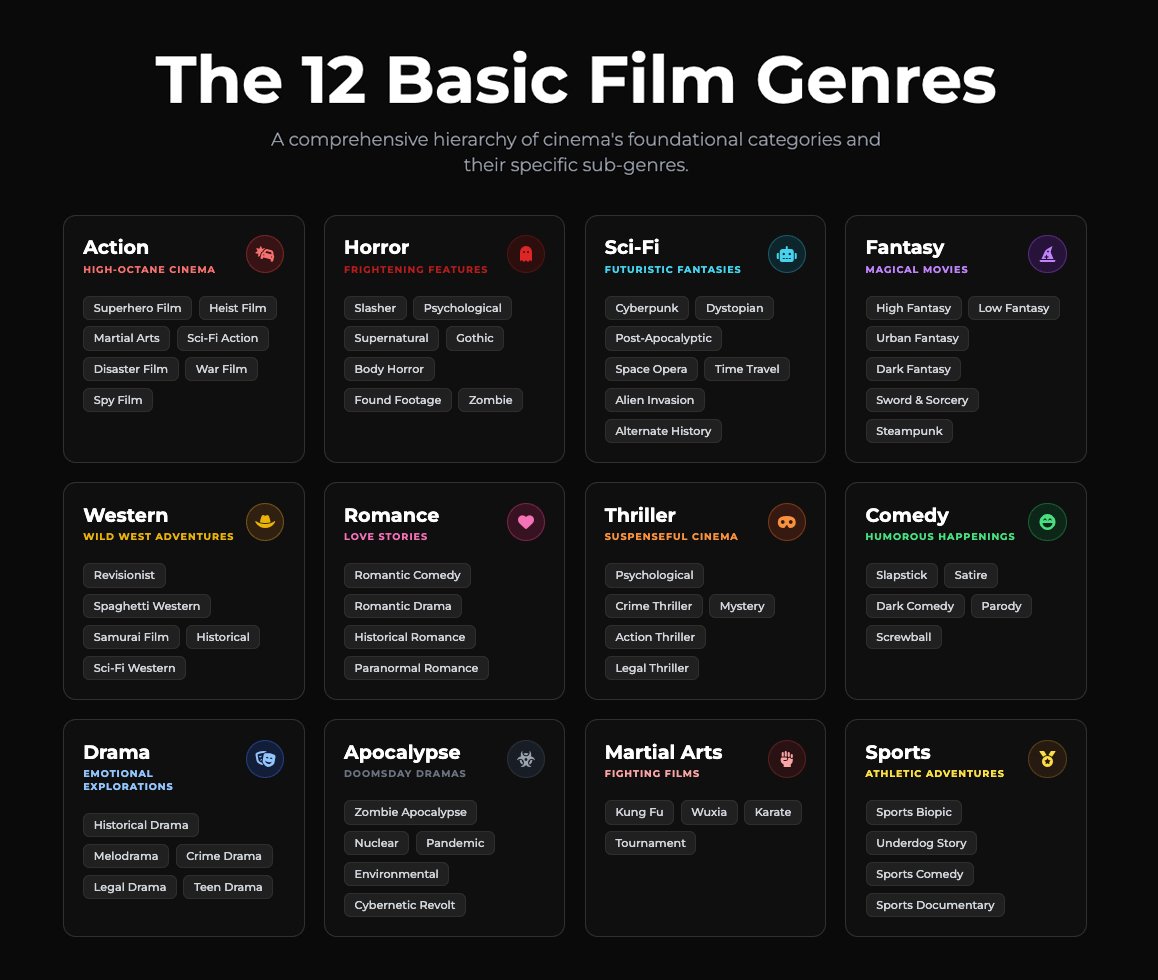
Complete hierarchy infographic of 12 basic film genres
From heart-pounding thrillers to heartfelt dramas, every film fits into a genre that shapes its story, tone, and audience appeal. This infographic breaks down the 12 basic film genres, revealing how they form the foundation of modern storytelling and influence the way we experience movies.
Using Genre Theory for Music Selection
By understanding genre theory and its implications for music selection, filmmakers can create a more immersive and authentic viewing experience. Here are some tips:
Consider the Genre Conventions:
- Research: Familiarize yourself with the typical musical elements associated with your chosen genre.
- Identify patterns: Look for recurring themes, melodies, and instrumentation in films of the same genre.
- Understand audience expectations: Consider what your audience might expect to hear based on the genre.
Think About the Tone of Your Film:
- Match the mood: Ensure the music complements the overall tone or atmosphere of your film.
- Use music to enhance emotions: Choose tracks that evoke the desired emotional response from the audience.
- Avoid dissonance: If your film has a lighthearted or romantic tone, choose music that is harmonious and uplifting.
Pay Attention to the Pacing of Your Film:
- Synchronize music with action: Use music to accentuate or de-emphasize certain scenes or actions.
- Create a sense of urgency: For fast-paced action sequences, choose music with a strong beat and driving rhythm.
- Build tension: Use suspenseful music to create anticipation and excitement.
Experiment with Different Musical Styles:
- Don’t be afraid to break the mold: While it’s important to consider genre conventions, don’t be afraid to experiment with different musical styles.
- Find unique combinations: Explore how different genres can complement each other to create a unique sound.
- Consider the impact on the audience: Evaluate how different musical styles affect the overall viewing experience.
Listen to the Music from Other Films in Your Genre:
- Gather inspiration: Analyze the music used in successful films of the same genre.
- Identify effective techniques: Learn from the choices made by other filmmakers.
- Avoid clichés: Be mindful of overused or predictable musical elements.
By following these tips and applying your understanding of genre theory, you can effectively use music to enhance your film’s storytelling and create a truly memorable experience for your audience.
Find the Perfect Music for Your Film
Every genre has its sound. Whether you’re scoring a thriller, a romance, or an epic adventure – get the right tracks with the right Sync License. Explore our royalty-free music catalog and bring your story to life.
The 12 Basic Film Genres list and Their Sub-Genres:
Let’s explore the 12 basic film genres that form the foundation of cinema, along with their most popular sub-genres. Whether you’re a filmmaker, film student, or just a curious movie buff, this breakdown will give you a clearer view of the cinematic landscape.
Thriller – Suspenseful Cinema
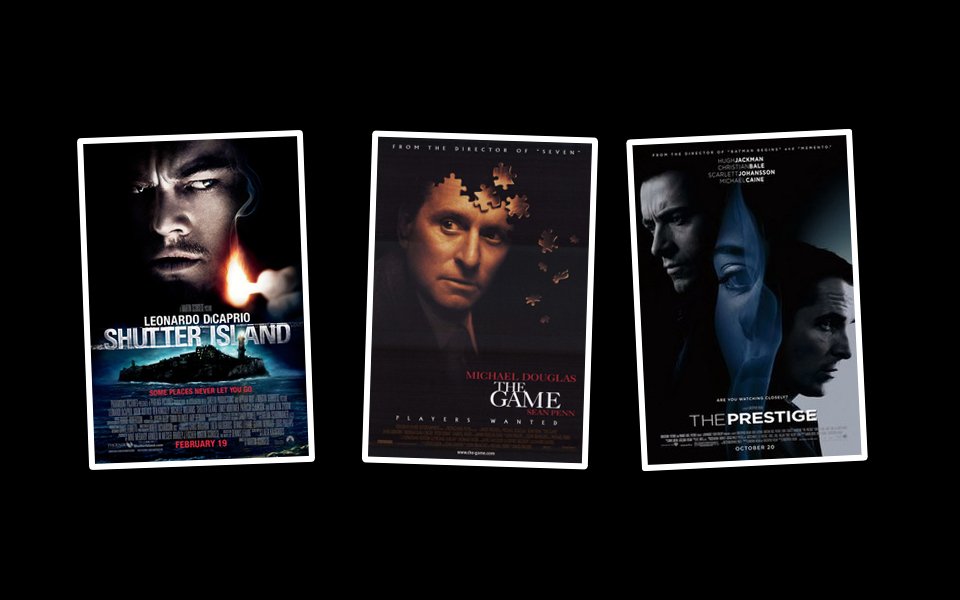
Thriller films build suspense and tension, often involving crime or mystery. The music for a thriller should create a sense of unease, suspense, and anticipation. Look for tracks with a dissonant melody, a building tempo, and a sense of foreboding.
Some of the main Thriller sub-genres include the following:
- Psychological thriller
- Crime thriller
- Espionage thriller
- Legal thriller
- Political thriller
- Conspiracy thriller
- Supernatural thriller
Horror – Frightening Features
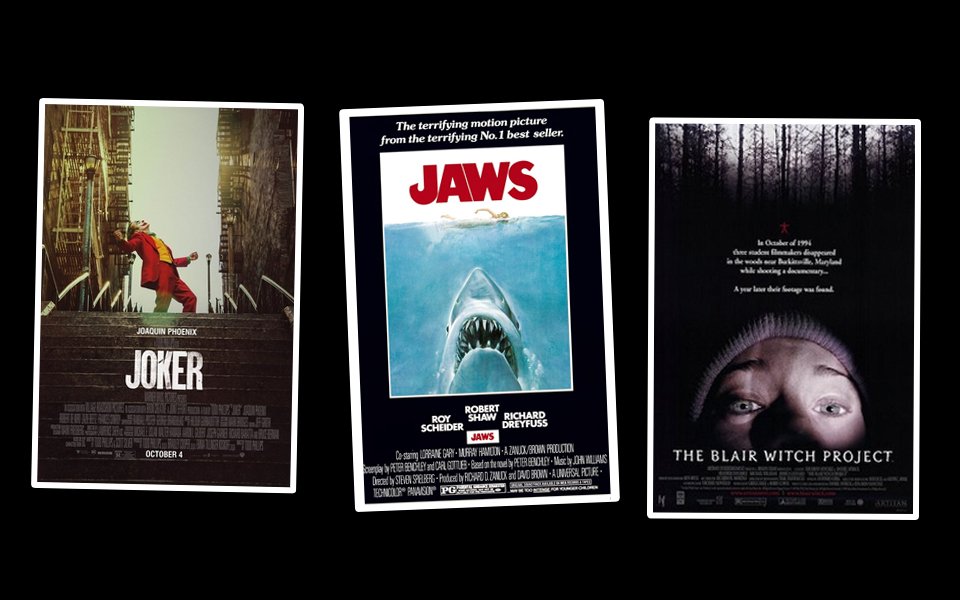
Horror films seek to frighten or disturb the audience. The music for a horror film should create a sense of suspense, tension, and unease. Look for tracks with dissonant harmonies, eerie soundscapes, and a slow, building tempo.
Some of the main Horror sub-genres include the following:
- Slasher horror
- Psychological horror
- Supernatural horror
- Gothic horror
- Body horror
- Found footage horror
- Zombie horror
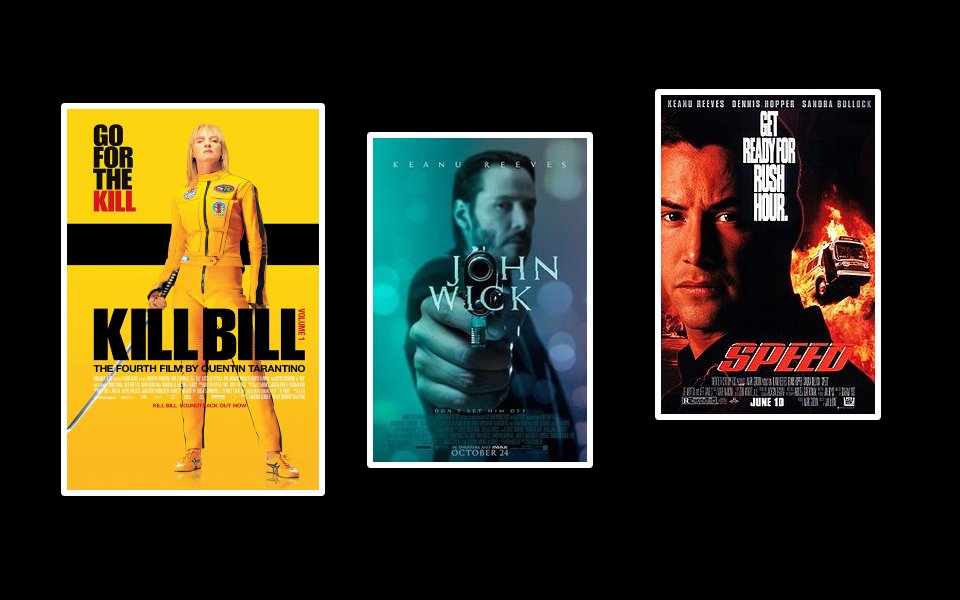
Action – High-Octane Cinema
Action films are characterized by fast-paced sequences, physical stunts, and often involve violence or danger. The music for an action film should be energetic, intense, and capable of driving the action. Look for tracks with a strong beat, driving rhythms, and soaring melodies.
Some of the main Action sub-genres include the following:
- Superhero film
- Heist film
- Martial arts film
- Science fiction action film
- Disaster film
- War film
- Spy film

Sci Fi – Futuristic Fantasies
Sci-fi films explore speculative futures or alternate realities. The music for a sci-fi film should be futuristic, electronic, and often experimental. Look for tracks with synthesized sounds, unusual rhythms, and a sense of otherworldliness.
Some of the main Sci Fi sub-genres include the following:
- Cyberpunk
- Dystopian
- Post-apocalyptic
- Space opera
- Time travel
- Alien invasion
- Alternate history
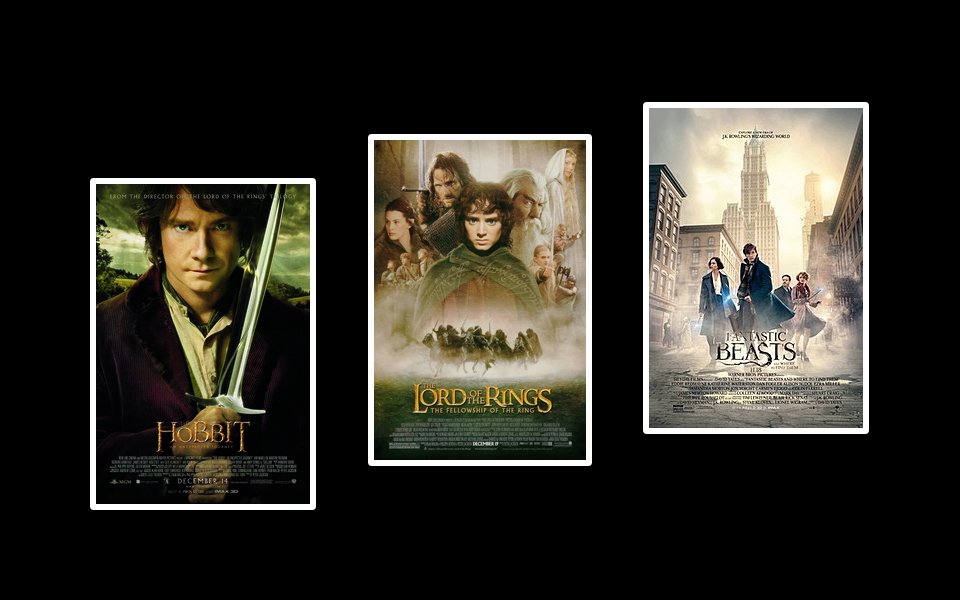
Fantasy – Magical Movies
Fantasy films explore magical or supernatural elements. The music for a fantasy film should be magical, ethereal, and often otherworldly. Look for tracks with a sense of wonder, a beautiful melody, and unusual instrumentation.
Some of the main Fantasy sub-genres include the following:
- High fantasy
- Low fantasy
- Urban fantasy
- Dark fantasy
- Sword and sorcery
- Steampunk
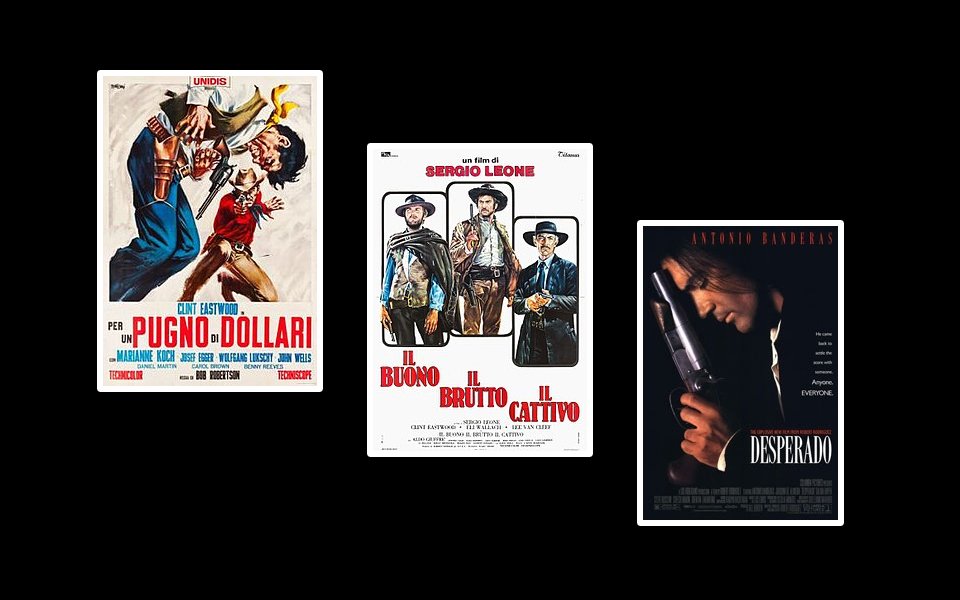
Western – Wild West Adventures
Western films are set in the American West and often feature cowboys, outlaws, and frontier life. The music for a western should be epic, heroic, and evoke the vastness of the American frontier. Look for tracks with a sweeping melody, a sense of adventure, and a powerful rhythm.
Some of the main Western sub-genres include the following:
- Revisionist western
- Spaghetti western
- Samurai film
- Historical western
- Science fiction western
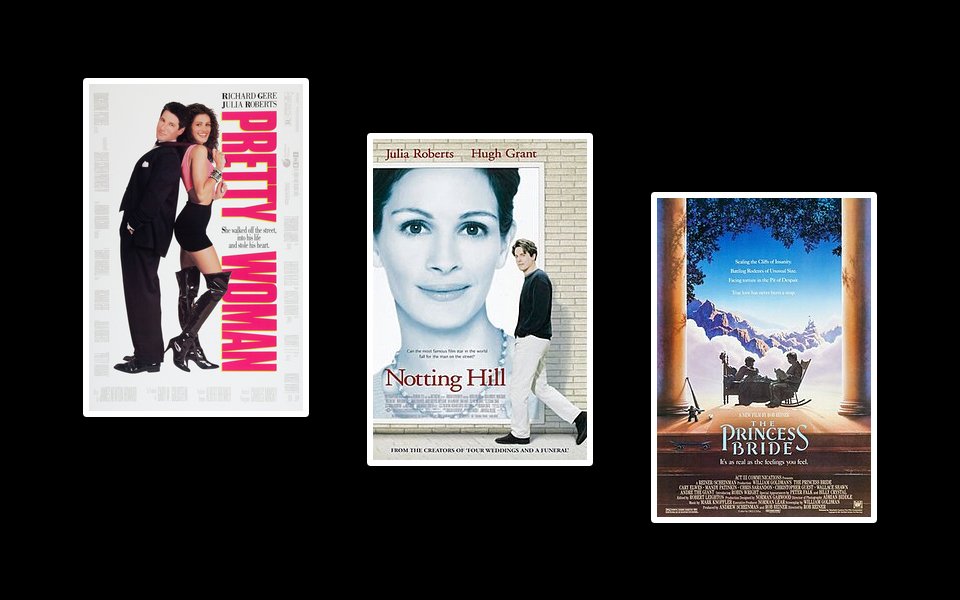
Romance – Love Stories
Romance films focus on love and relationships. The music for a romance should be romantic, sentimental, and evoke feelings of love and longing. Look for tracks with a beautiful melody, a soft tempo, and a sense of intimacy.
Some of the main Romance sub-genres include the following:
- Romantic comedy
- Romantic drama
- Historical romance
- Young adult romance
- Contemporary romance
- Paranormal romance
- Science fiction romance

Comedy – Humorous Happenings
Comedy films aim to evoke laughter through humor and satire. The music for a comedy should be lighthearted, playful, and often ironic. Look for tracks with a catchy melody, a sense of humor, and a tempo that matches the comedic timing.
Some of the main Comedy sub-genres include the following:
- Slapstick comedy
- Screwball comedy
- Black comedy
- Satire
- Romantic comedy
- Screwball comedy
- Parody
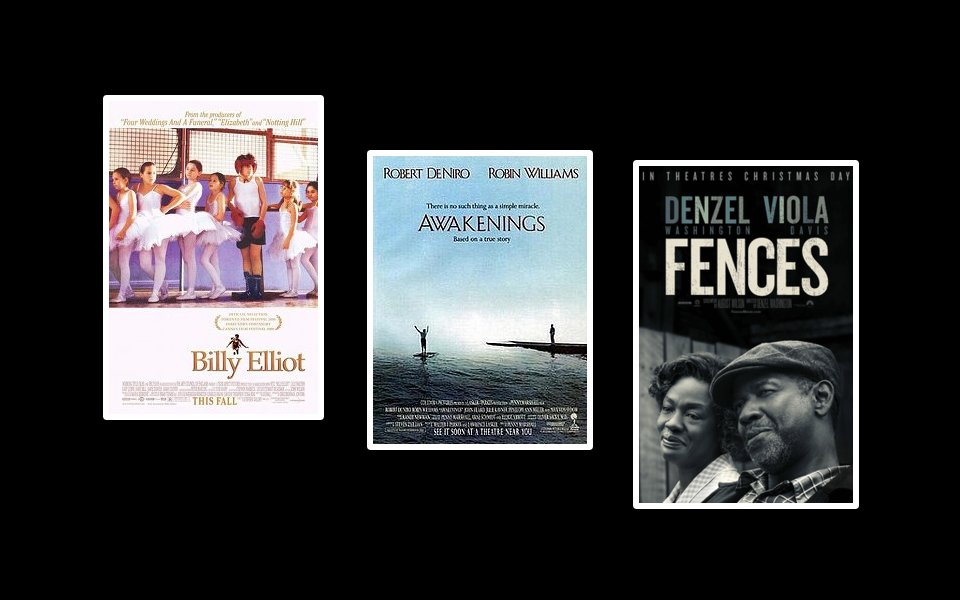
Drama – Emotional Explorations
Drama films focus on character development and emotional conflict. The music for a drama should be emotionally evocative, often reflecting the characters’ inner turmoil. Look for tracks with a powerful melody, a sense of depth, and a tempo that matches the dramatic intensity.
Some of the main Drama sub-genres include the following:
- Biographical drama
- Historical drama
- Period drama
- Social drama
- Psychological drama
- Coming-of-age drama
- Family drama
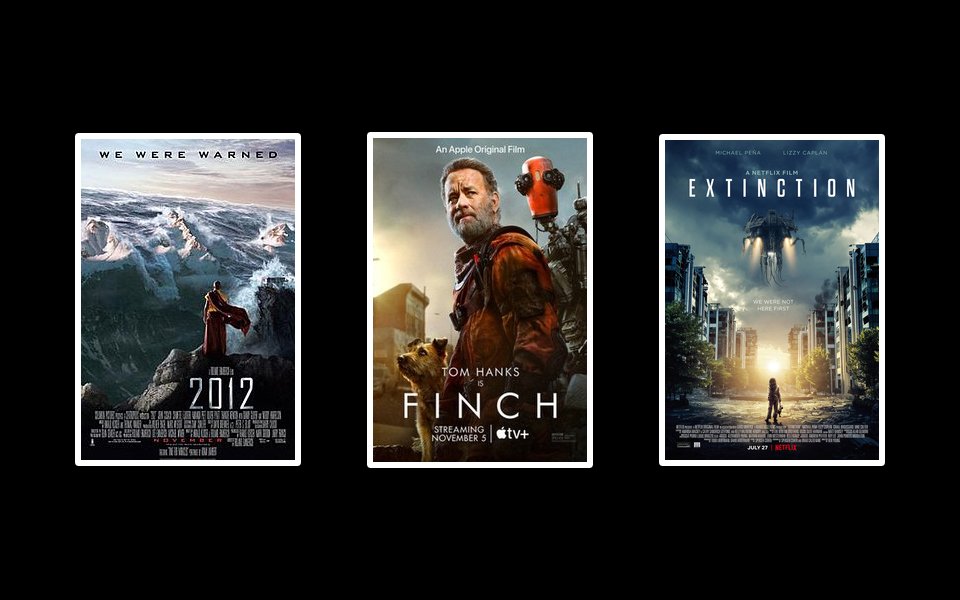
Apocalypse – Doomsday Dramas
Apocalypse films depict the end of the world or a catastrophic event. The music for an apocalypse film should be dramatic, intense, and evoke a sense of impending doom. Look for tracks with a powerful melody, a building tempo, and a sense of urgency.
Some of the main Apocalypse sub-genres include the following:
- Post-apocalyptic
- Zombie apocalypse
- Alien invasion
- Natural disaster
- Nuclear war
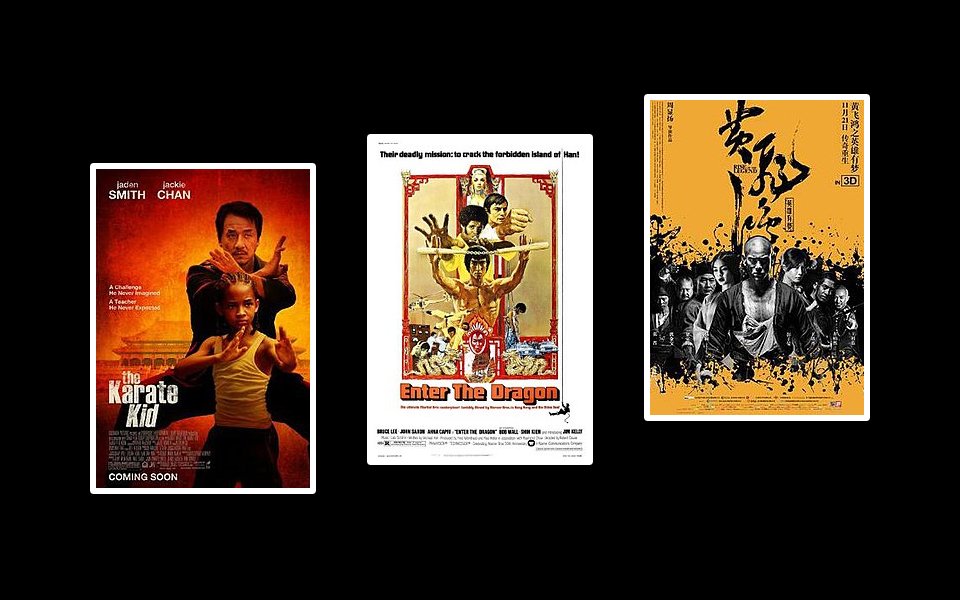
Martial Arts – Fighting Films
Martial arts films feature combat techniques and martial arts. The music for a martial arts film should be energetic, intense, and capable of driving the action. Look for tracks with a strong beat, driving rhythms, and soaring melodies.
Some of the main Martial Arts sub-genres include the following:
- Kung fu
- Karate
- Taekwondo
- Muay Thai
- Mixed martial arts
- Wuxia
- Chan wook
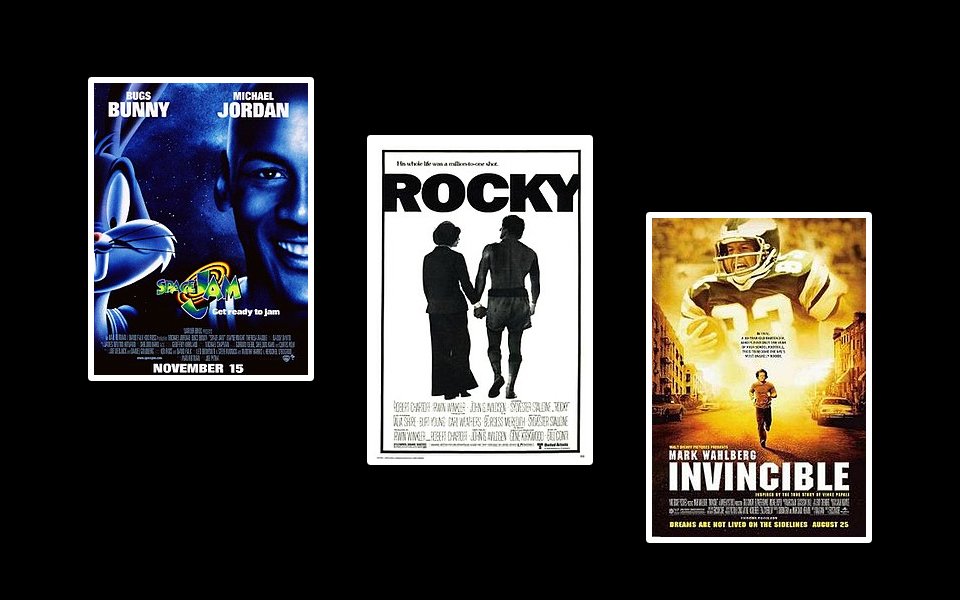
Sports – Athletic Adventures
Sports films focus on athletic competition and sportsmanship. The music for a sports film should be energetic, inspiring, and capable of motivating the audience. Look for tracks with a strong beat, a sense of triumph, and a powerful melody.
Some of the main Sports sub-genres include the following:
- Baseball film
- Basketball film
- Boxing film
- Football film
- Hockey film
- Racing film
- Soccer film
Find the Perfect Music for Your Film
Now that you have a better understanding of film genres and their associated musical styles, it’s time to find the perfect music for your project. Browse the Foximusic catalog to discover a vast collection of high-quality tracks that fit your film’s genre and tone.
https://www.foximusic.com/royalty-free-music
With Foximusic, you can easily search for music by genre, mood, or keyword. Our intuitive search engine will help you find the perfect tracks to enhance your film’s storytelling and create a memorable viewing experience. You can also use our hand curate playlists just to get you started.
A well-chosen visualizer can enhance the mood and tone of a film’s soundtrack, making it more engaging for the audience. Using a best music visualizer can help filmmakers create dynamic and visually striking representations of their film’s music, adding another layer of storytelling.
By understanding genre theory and its implications for music selection, filmmakers can create a more immersive and authentic viewing experience.
Frequently Asked Questions About Film Genres
Whether you’re a casual moviegoer, a film student, or simply curious about how movies are categorized, these questions and answers will help you understand the fascinating world of film genres. From basic definitions to complex hybrid categories, we’ve covered the most common questions about movie genres to enhance your appreciation of cinema.
What exactly is a film genre?
A film genre is a category or classification of movies based on similar narrative elements, themes, settings, moods, and stylistic components. Genres serve as a shorthand way for filmmakers to communicate with audiences about what to expect from a movie. They’re essentially storytelling conventions that have evolved throughout cinema history. When you hear terms like “horror,” “comedy,” or “western,” you’re already forming expectations about the film’s content and emotional experience. Genres aren’t just marketing tools—they’re deeply ingrained in how we create, distribute, and experience cinema.
What are the top 12 basic genres of film by popularity?
Film theorists and industry professionals often recognize 12 “super genres” that serve as umbrella categories for more specific subgenres:
- Action: Films centered around physical feats, conflicts, and high-energy sequences
- Comedy: Movies designed to amuse and provoke laughter
- Drama: Character-driven stories exploring serious themes and emotional situations
- Horror: Films intended to frighten, shock, or disturb audiences
- Science Fiction: Speculative narratives often involving futuristic concepts and technology
- Fantasy: Stories featuring magical or supernatural elements outside our reality
- Romance: Films focused on love relationships and emotional connections
- Thriller: Suspenseful narratives designed to create tension and excitement
- Western: Stories set in the American Old West featuring cowboys, outlaws, and frontier life
- Crime: Films centered around criminal activities and their consequences
- Documentary: Non-fiction films presenting factual information about real events or people
- Sports: Focus on athletic competition and sportsmanship
These film genres provide the foundation for countless subgenres and hybrid forms that continue to evolve in contemporary cinema.
How are film genres officially determined?
Film genres aren’t officially determined by any single governing body. Instead, they emerge through a combination of:
- Industry practices: Studios and distributors categorize films for marketing purposes
- Critical consensus: Film critics and scholars analyze and classify movies
- Audience reception: How viewers perceive and discuss films
- Historical precedent: Established patterns and conventions in filmmaking
The classification process relies on recognizing patterns in four key elements: Story/Action, Plot, Character, and Setting. Film theorists sometimes express this as an equation: S(A) + P + C + Se = Genre. While streaming platforms and film databases have their own classification systems, these are proprietary rather than universal standards. Genre classification remains somewhat subjective and continues to evolve alongside cinema itself.
What’s the difference between a genre and a subgenre?
A genre is a broad category of film with established conventions and expectations, while a subgenre is a more specialized category within a larger genre that features specific themes, settings, or stylistic elements. For example, “Horror” is a genre, while “Slasher,” “Found Footage,” and “Psychological Horror” are subgenres within it. Each subgenre maintains the core elements of its parent genre while introducing distinctive characteristics that set it apart.
The relationship between genres and subgenres is hierarchical but fluid. Some subgenres can become so distinctive that they eventually gain recognition as standalone genres. For instance, “Film Noir” began as a subgenre of crime films but is now often considered its own genre. Understanding this relationship helps viewers and filmmakers navigate the complex landscape of film categorization.
What are hybrid genres and why are they important?
Hybrid genres are films that deliberately combine elements from two or more established genres, creating unique viewing experiences that transcend traditional categorization. Examples include action-comedy (“Deadpool”), horror-comedy (“Shaun of the Dead”), and sci-fi drama (“Everything Everywhere All at Once”).
Hybrid genres are important because they:
- Reflect the evolution of cinema and audience tastes
- Allow filmmakers greater creative freedom to tell innovative stories
- Challenge conventional expectations and genre boundaries
- Appeal to diverse audience preferences simultaneously
- Often lead to the establishment of new subgenres or even genres
The increasing prevalence of hybrid genres in contemporary cinema demonstrates how film as an art form continues to evolve beyond rigid categorization. These cross-genre experiments often result in some of the most critically acclaimed and commercially successful films of recent years.
How have film genres evolved over time?
Film genres have undergone significant evolution since cinema’s inception in the late 19th century. Early silent films established basic genres like comedy (Chaplin, Keaton) and drama. The 1930s-1950s saw the golden age of genre filmmaking with clearly defined categories like westerns, musicals, and film noir.
The 1960s-1970s brought a period of genre deconstruction, with filmmakers like Sergio Leone reinventing westerns and directors like Hitchcock elevating thrillers to new artistic heights. The blockbuster era beginning in the late 1970s with films like “Star Wars” and “Jaws” created new audience expectations for genres.
The digital revolution of the 1990s-2000s enabled previously impossible visual effects, expanding the possibilities for science fiction and fantasy. Today’s landscape features increasing hybridization, with films regularly blending multiple genres. Streaming platforms have further accelerated this evolution by creating demand for niche content that appeals to specific audience segments rather than broad genre categories.
What are movie categories called?
Movie categories are formally called “film genres” or “movie genres.” These classifications help audiences identify the type of content and emotional experience a film offers. The term “genre” comes from French, originally meaning “kind” or “sort,” and has been used in film studies and criticism since the early days of cinema.
While “genre” is the standard industry term, you might also hear related phrases like “film type,” “movie classification,” “cinematic category,” or “film style” in casual conversation. Streaming platforms sometimes use terms like “collections” or “themes” to group similar content. However, in academic, critical, and industry contexts, “genre” remains the accepted terminology for these categorical distinctions in film.
What are the top 7 movie genres by box office performance?
Based on historical box office data, the top 7 movie genres by global revenue are:
- Action/Adventure: Consistently dominates global box office receipts, particularly with superhero franchises and big-budget spectacles
- Science Fiction: Performs exceptionally well with franchise films and visual effects showcases
- Fantasy: Strong performer with family-friendly content and established literary adaptations
- Animation: Reliable box office draw, especially for family audiences
- Drama: Steady performer with occasional breakout hits, particularly during awards season
- Comedy: Consistently profitable, though often more successful domestically than internationally
- Horror: Highly profitable relative to production costs, with loyal audience base
It’s worth noting that many of the highest-grossing films of all time are actually hybrid genres, particularly action-adventure combined with science fiction or fantasy elements. Pure genre films are increasingly rare among top box office performers, with most successful films incorporating elements from multiple genres to appeal to broader audiences.
How do film genres affect audience expectations?
Film genres create a set of expectations that significantly influence how audiences approach and experience movies. When viewers see a genre label, it activates a mental framework that shapes their anticipation in several ways:
- Narrative expectations: Audiences expect certain plot structures and story beats (like the “meet-cute” in romantic comedies or the “final girl” in slasher horror)
- Emotional preparation: Genres signal what emotional responses to prepare for (laughter, fear, suspense, etc.)
- Character archetypes: Viewers anticipate certain character types (the action hero, the romantic lead, the villain)
- Visual and stylistic elements: Each genre has associated visual language (noir shadows, horror lighting, comedy framing)
- Thematic content: Genres suggest what themes and ideas will be explored
These expectations create a dialogue between filmmakers and audiences. Directors can either satisfy these expectations for a comfortable viewing experience or deliberately subvert them to create surprise and innovation. Understanding genre conventions allows filmmakers to play with audience expectations in creative ways, while giving viewers a framework to process and interpret what they’re watching.
What makes a film multi-genre?
A film becomes multi-genre when it substantially incorporates narrative elements, stylistic approaches, and thematic concerns from two or more established genres. Unlike films that primarily belong to one genre with minor elements from others, true multi-genre films give relatively equal weight to different genre components throughout the story.
Several factors contribute to a film’s multi-genre classification:
- Plot structure that follows conventions from multiple genres
- Characters that embody archetypes from different genre traditions
- Visual style that blends aesthetic approaches from various genres
- Tonal balance that successfully navigates different emotional territories
- Marketing that explicitly positions the film across genre boundaries
Examples of successful multi-genre films include “Blade Runner” (science fiction/film noir), “The Princess Bride” (fantasy/comedy/romance), and “Get Out” (horror/thriller/social commentary). The most effective multi-genre films don’t simply switch between genres but integrate them seamlessly to create cohesive and innovative viewing experiences.
How do directors use genre conventions creatively?
Skilled directors use genre conventions as creative tools rather than restrictive formulas. They employ several sophisticated approaches:
- Genre hybridization: Blending elements from multiple genres to create fresh experiences, as Taika Waititi did with “Thor: Ragnarok,” combining superhero action with comedy
- Subversion: Setting up genre expectations only to deliberately break them, like Jordan Peele’s “Get Out,” which uses horror conventions to explore social commentary
- Deconstruction: Analyzing and commenting on genre tropes while using them, as seen in Clint Eastwood’s “Unforgiven,” which deconstructs western mythology
- Elevation: Taking “low” genres and executing them with exceptional craft, as Christopher Nolan did with the superhero genre in “The Dark Knight”
- Reinvention: Updating traditional genres for contemporary audiences, like Denis Villeneuve’s approach to science fiction in “Arrival” and “Blade Runner 2049”
Directors like Quentin Tarantino, Bong Joon-ho, and Guillermo del Toro are particularly known for their genre fluency—their deep understanding of conventions allows them to play with audience expectations in sophisticated ways. This creative approach to genre keeps cinema evolving while maintaining connections to its rich history.
What is genre theory in film studies?
Genre theory in film studies is an academic approach to understanding how film categories function, evolve, and create meaning. It examines genres not just as simple classifications but as complex systems that reflect cultural values, audience desires, and industry practices.
One influential framework is Rick Altman’s semantic/syntactic approach, which distinguishes between:
- Semantic elements: The building blocks of genres (visual motifs, character types, settings)
- Syntactic elements: How these building blocks are arranged to create meaning
Other key concepts in genre theory include:
- Genre cycles: How genres rise, fall, and transform over time
- Genre hybridity: The blending of multiple genre traditions
- Genre as social ritual: How genres fulfill cultural needs and reflect societal concerns
- Genre as industrial strategy: How studios use genres for production and marketing
Film scholars like Thomas Schatz, Steve Neale, and Linda Williams have expanded genre theory to examine how genres reflect cultural anxieties, reinforce or challenge social norms, and evolve in response to changing contexts. Genre theory provides a framework for understanding cinema not just as entertainment but as a complex cultural practice with deep historical and social significance.
How many film genres and subgenres exist today?
The exact number of film genres and subgenres is impossible to definitively state because classification systems are constantly evolving and vary between scholars, critics, and platforms. However, most film scholars recognize between 10-15 major genres (including action, comedy, drama, horror, etc.) and well over 100 established subgenres.
The digital age has accelerated the development of new subgenres through:
- Global access to diverse film traditions
- Online communities that identify and name emerging patterns
- Streaming platforms creating demand for niche content
- Filmmakers deliberately experimenting with genre boundaries
Some subgenres are highly specific, like “Scandinavian folk horror” or “tech noir.” Others represent cultural or national traditions, like “K-horror” or “spaghetti westerns.” The taxonomy of film genres resembles a living language—constantly growing, with new terms emerging while others fade from use. This fluidity reflects cinema’s nature as an evolving art form that continually reinvents itself while maintaining connections to its traditions.
Where can I learn more about film genres?
To deepen your understanding of film genres, explore these valuable resources:
- Books: “Film Genre: From Iconography to Ideology” by Barry Keith Grant, “Film Genre Reader IV” edited by Barry Keith Grant, and “Genre and Hollywood” by Steve Neale offer academic perspectives
- Online courses: Platforms like Masterclass, Coursera, and edX offer film studies courses that cover genre theory
- Film criticism websites: Roger Ebert’s website, Film Comment, and Sight & Sound regularly publish genre analysis
- Streaming collections: The Criterion Channel, MUBI, and even mainstream services like Netflix organize films by genre and subgenre
- Film festivals: Many festivals feature genre-specific programs that showcase evolution and innovation
- Film studies departments: Many universities offer public lectures or resources on film genres
The more you explore different genres and pay attention to their conventions, the more you’ll appreciate the rich tapestry of cinema and how filmmakers use, subvert, and reinvent these categories to create meaningful experiences.
Explore Trending Tracks & New Releases
Not This Time
Love at First Sight
Heartbeat
Bitter Earth
No Limits
Walking on Water
True Promise
Day To Remember
Heading Back Home
Little Change
Made of Wood
One More Chance

Film Genres – Summary
This article provides a comprehensive guide to understanding and utilizing genre theory in filmmaking, with a particular focus on music selection. It explores the various film genres, their defining characteristics, and the appropriate musical styles to complement each.
Key Points:
- Genre theory provides a framework for understanding and analyzing films.
- The basic film genres include drama, comedy, action, horror, sci-fi, western, romance, thriller, fantasy, apocalypse, martial arts, and sports.
- Each genre has its own unique characteristics and expectations.
- Music selection is crucial for enhancing the overall experience of a film.
- Genre theory can guide filmmakers in choosing music that aligns with the film’s tone, pacing, and audience expectations.
- By understanding genre theory, filmmakers can create more immersive and authentic viewing experiences.
This article offers a valuable resource for filmmakers looking to deepen their understanding of genre theory and its applications in music selection.